A familiar scene unfolds each day.
People pass by one another in their corridors, driveways or shared an elevator, often exchanging little more than a brief nod - if at all. Most are absorbed in their screens, schedules and daily routines, moving quickly between work and the demands of modern life.
It is a moment that many of us recognise, and perhaps one that raises a question: in cities where physical distances between us have shrunk, has our sense of connection quietly faded?
Maybe this shift has sparked a renewed interest in bringing back what Malaysians often call the ‘Kampung Spirit’ into our communities.
The good old Kampung daysA
kampung - the Malay word for village - is more than just a cluster of homes; it is a close-knit community built on trust and familiarity. If you have ever lived in one, you would remember how naturally neighbours looked out for one another.
In
kampungs, children played freely on the streets, and at times wandering in and out of each other’s houses, treating the entire place as a giant playground. Festive seasons such as Hari Raya and others were celebrated together, and every small rhythm of daily life had a way of bringing people closer.
People were warmer and kinder to those around them. You might have had neighbours who occasionally drop by with their home-cooked food, help to bring in the laundry when rain began to fall, or keep an eye on your home while you were away.
The communal practice of
Gotong-Royong (community cooperation) brings people together to clean the outdoors, public space, repair homes, and prepare for gatherings or celebrations. It was common back then - even in smaller towns or parts of the city. Beyond the activity, it reflected something deeper: a shared sense of camaraderie and collective well-being.
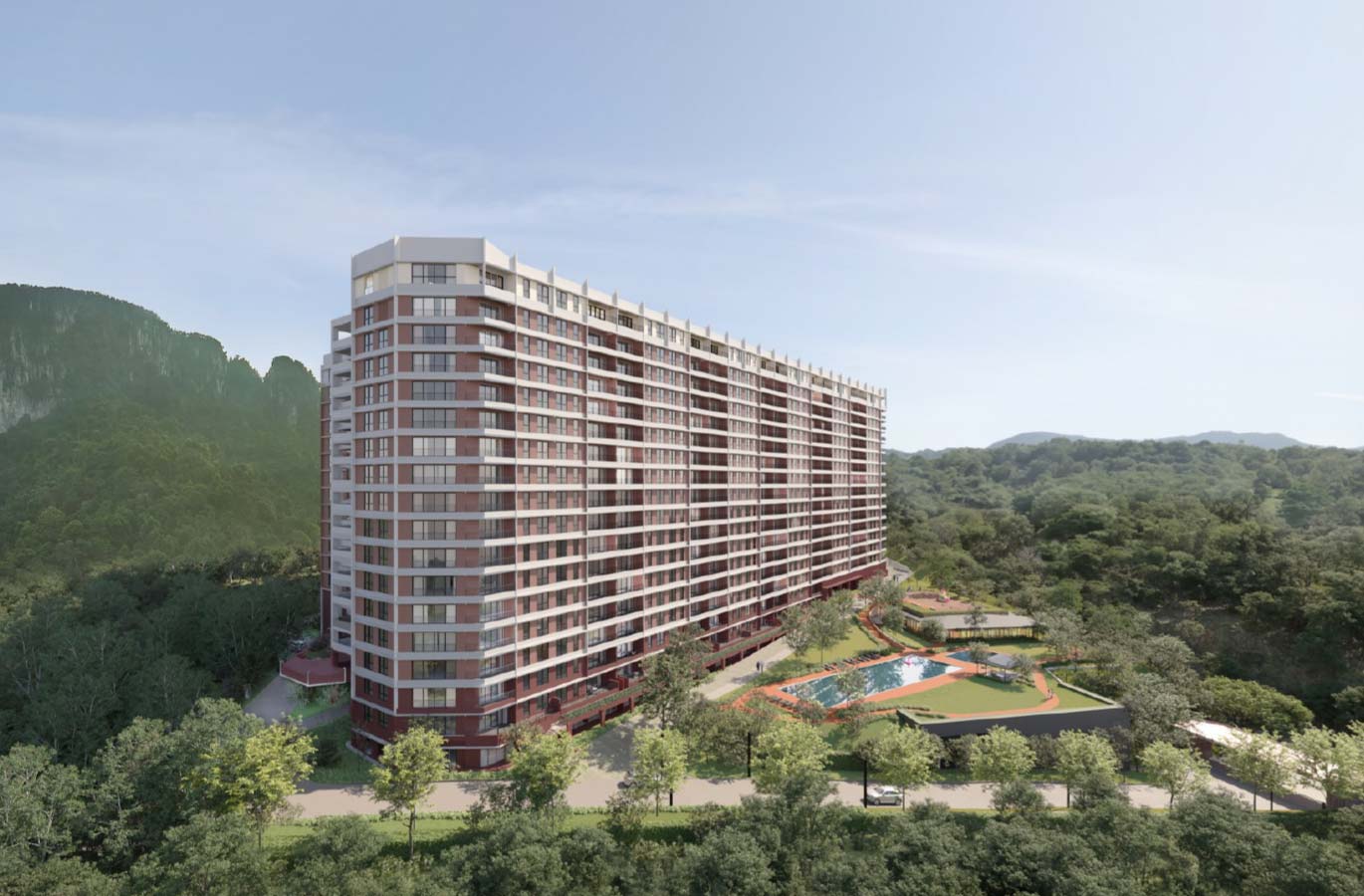
If we seek connection elsewhere, why not closer to home?Today, amidst rapid urbanisation, social dynamics have also changed. In between towering skyscrapers and densely populated housing estates, our fast-paced lifestyles leave little room for simple face-to-face interactions.
Yet despite our busy routines, many of us still make time for recreational connections. We meet up with our friends after work, gather at our favourite cafés, or seek out familiar company whenever we can. These moments of companionship clearly matter to us.
Yet there is an interesting contrast closer to home. While we willingly stay out late or travel across town to spend time with people we already know, it is not uncommon for the neighbours living just next door to remain strangers. Though we may share the same corridor, driveway or lift, meaningful interactions are often rare.
It raises an important question about modern urban living: why do we readily maintain connections within our existing circles, yet hesitate to open up to the people who live just steps away from us?
If we truly value human connection: why shouldn’t we experience the same sense of familiarity and warmth in the places or community where we live?
Thoughtful spaces to bring people togetherCan the
kampung vibe be recreated in the urban neighbourhood?
After all, every community is ultimately shaped by the people who live in it. Connections cannot be forced or manufactured; they happen naturally when people cross paths at the right place and the right moment.
But it can be encouraged and nurtured.
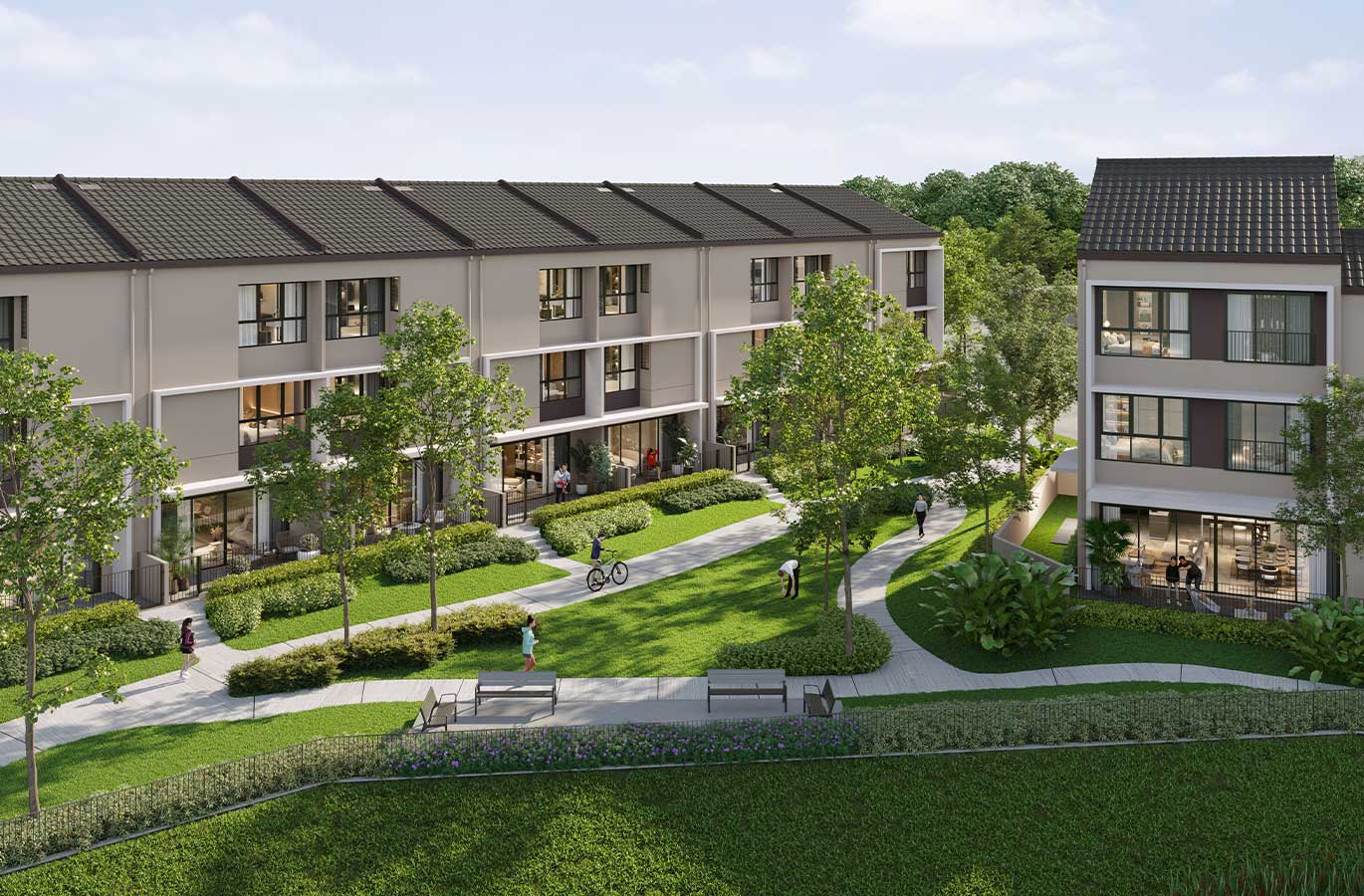
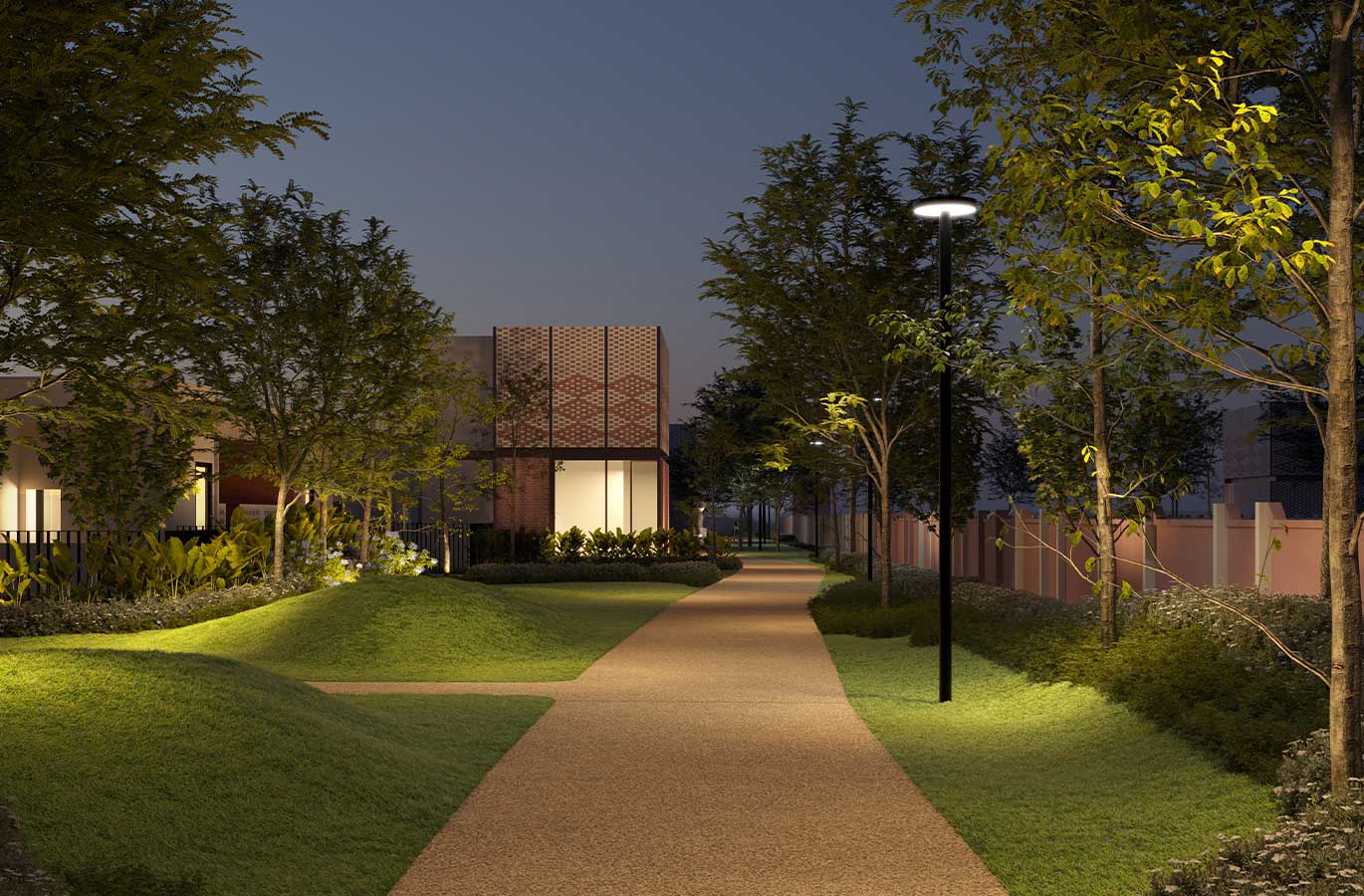
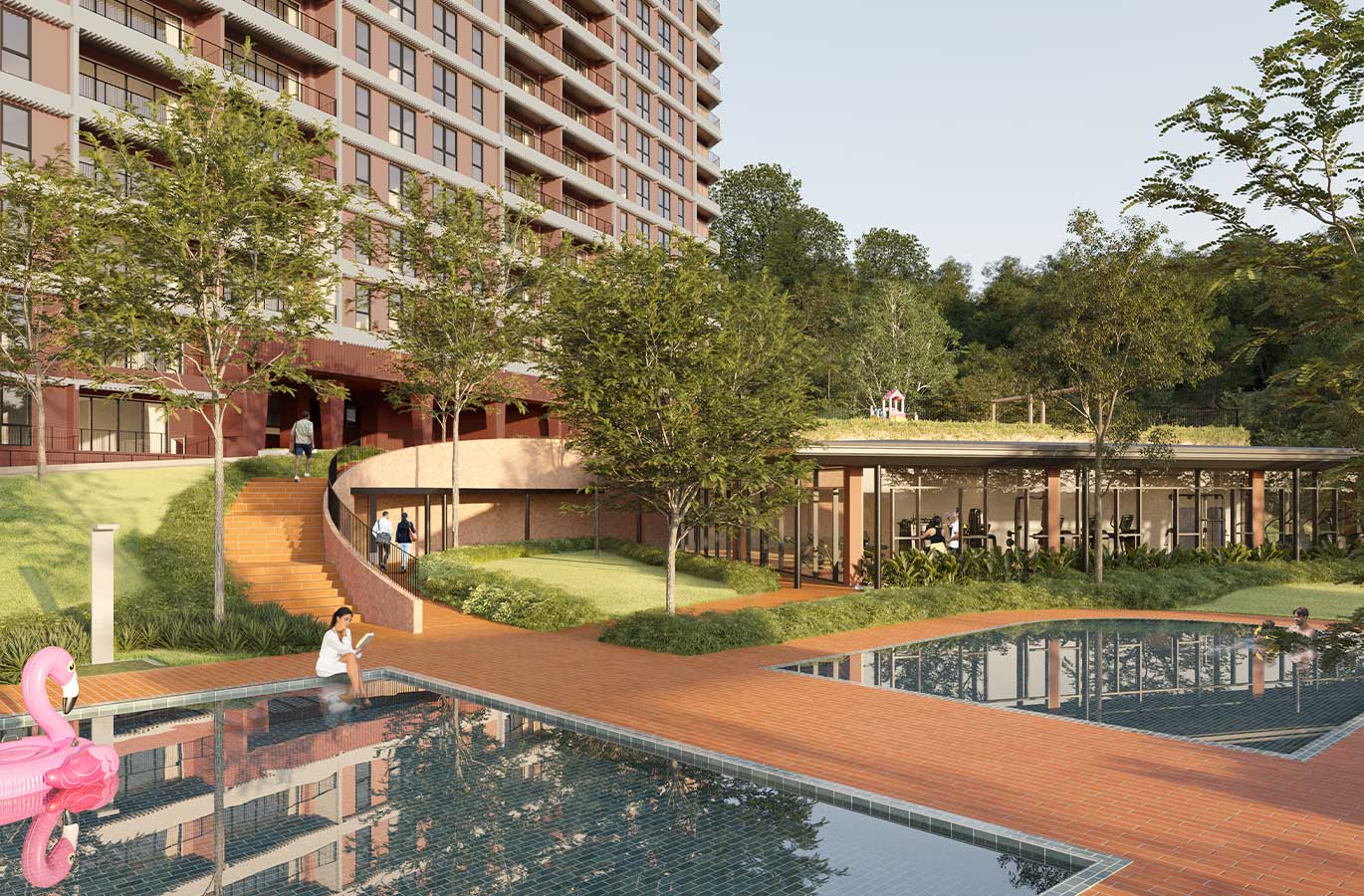
Shared communal spaces like green park, children’s playground, sports hall and clubhouse can foster casual interactions organically. These areas let residents exercise, relax, unwind and escape their daily routines, supporting both physical and mental health.